
By Kim Pratt · Personal experience · Peptide safety
I spent 60 days documenting my experience with GHK-Cu, the blue copper peptide that has become one of the most talked-about compounds in skin, hair, recovery, and longevity conversations. My original plan was a neat 30-day experiment. Real life made it messier: I traveled, paused the routine, and did not follow the schedule exactly as planned.
This is the honest record of what I did and what I noticed—not proof that GHK-Cu caused the changes I saw and not a recommendation for anyone else. I am including the schedule I personally followed because it is part of the documentary record, not as instructions.
Personal experience—not medical instruction
This article documents personal use of an injectable peptide. Injectable GHK-Cu is not an FDA-approved treatment for cosmetic, hair-growth, recovery, or longevity purposes. FDA lists GHK-Cu for injectable use among bulk substances that may present significant safety risks in compounding, citing potential immunogenicity from aggregation and peptide-related impurities and limited human safety data. Do not use this article to self-prescribe, source, dose, prepare, or inject a product. Discuss any peptide use with an appropriately licensed healthcare professional.
Watch the video directly on YouTube.
Why I Started Documenting GHK-Cu
A few months before this experiment, I noticed a strange episode of redness while filming my Glow Stack peptide update on YouTube. Only one side of my face became visibly red. It happened once and settled within about an hour.
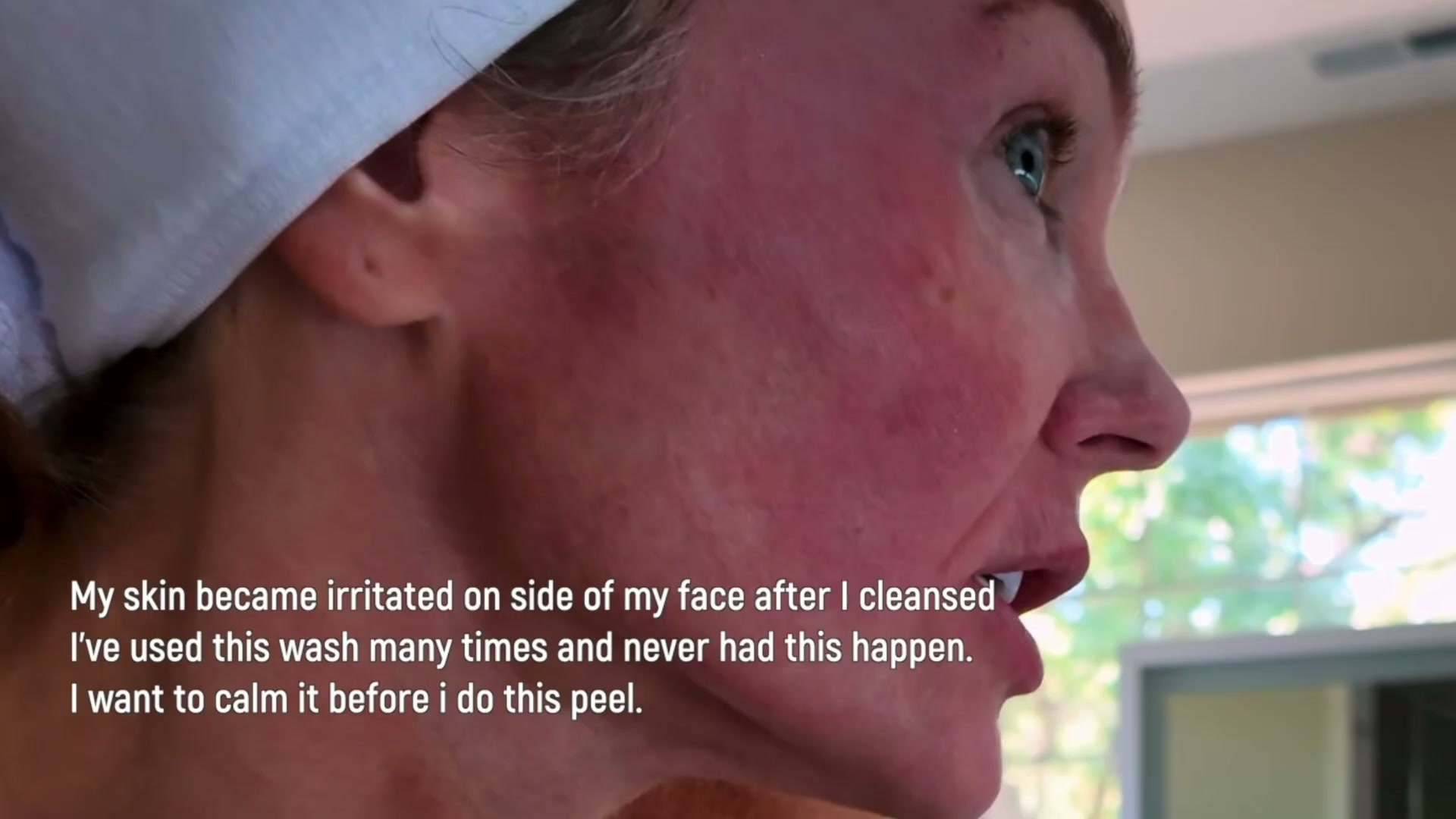
Because that combination included GHK-Cu, I wanted to document a later period using GHK-Cu separately and pay close attention to redness, injection-site discomfort, hair, nails, recovery, and the overall appearance of my face. I also wanted to show the unpolished parts of the experiment—the missed days and uncertainty—not just a dramatic before-and-after.
What GHK-Cu Is—and What the Evidence Does Not Yet Show
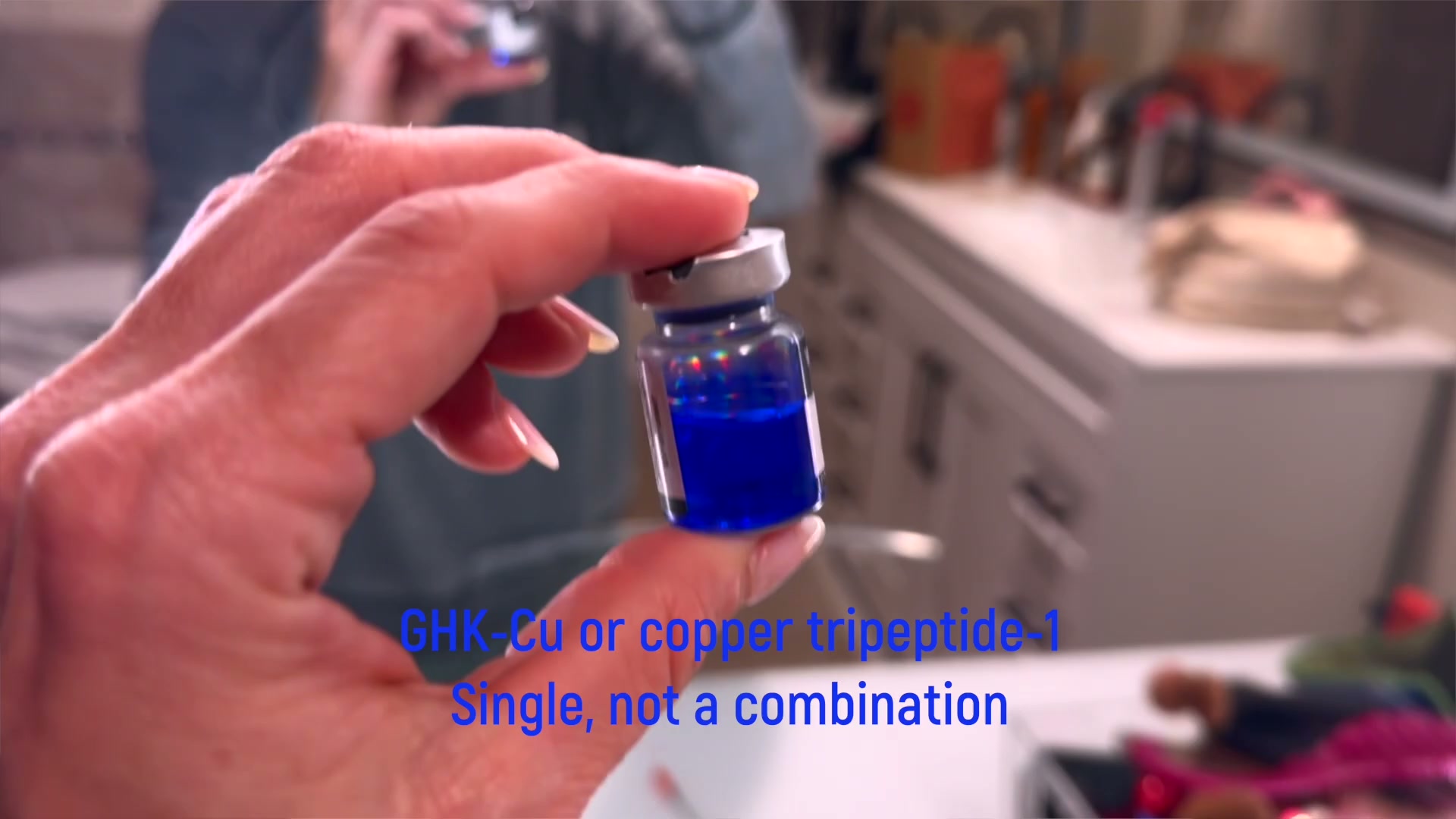
GHK is a naturally occurring tripeptide made from three amino acids. When it binds copper, it forms GHK-Cu. Laboratory and animal research has explored its role in cellular signaling, tissue remodeling, wound repair, and collagen-related pathways.
That biology is interesting, but it is not the same thing as strong clinical evidence for injecting GHK-Cu for skin, hair, recovery, or longevity. A recent review of topical GHK noted a surprising lack of clinical studies, while a small randomized study of topical copper tripeptide after CO2 laser resurfacing found no significant objective improvement in redness, wrinkles, or overall skin quality compared with the control regimen. Patient satisfaction was higher, but the objective measures were not.
- Promising mechanisms are not guaranteed outcomes.
- Topical and injectable use are not interchangeable.
- My observations cannot establish cause and effect.
- My personal schedule is not an established medical protocol.
For additional context, read the FDA’s compounding safety information for certain bulk drug substances and the PubMed review of topically applied GHK.
The Routine I Planned Versus What Actually Happened

The schedule I intended to follow was:
- Days 1–15: 1 mg each day
- Days 16–30: 2 mg each day
- Then: 30 days off
- Planned cycling: up to six cycles per year
This is the schedule I personally documented after reading online and Reddit discussions. It is not a clinically established regimen, medical advice, or a recommendation to reproduce my use. I am not providing preparation or injection instructions.
Summer travel interrupted the routine. I do not like traveling with temperature-sensitive products, and sometimes I simply forgot. By the time I sat down for the update, 60 days had passed. That makes this a personal diary with meaningful limitations—not a controlled experiment.
What I Noticed After 60 Days
I Did Not Repeat the One-Sided Redness
I did not experience the half-face flushing or breakout I had noticed during the earlier Glow Stack period. That does not prove GHK-Cu was—or was not—the cause of the earlier episode. It simply means the same visible reaction did not recur during this round.
Injection-Site Pain Was the Clearest Negative
The most consistent unwanted effect I noticed was a dull ache at the injection site, often beginning later rather than during the injection itself. Because I usually used the product at night, the soreness sometimes woke me. Pain, redness, heat, swelling, drainage, fever, or any worsening reaction after an injection deserves medical attention; do not use another person’s experience to decide what is safe to ignore.
My Hair Felt Fuller, but Other Treatments Confound the Result
My hair grew longer over the summer and felt healthier and fuller at the roots. I wanted to credit the copper peptide, but time itself, scalp microneedling, exosome use, hair care, and normal variation all make that conclusion impossible. This was a subjective observation, not a measured hair-growth study.
My Nails Appeared to Grow Faster
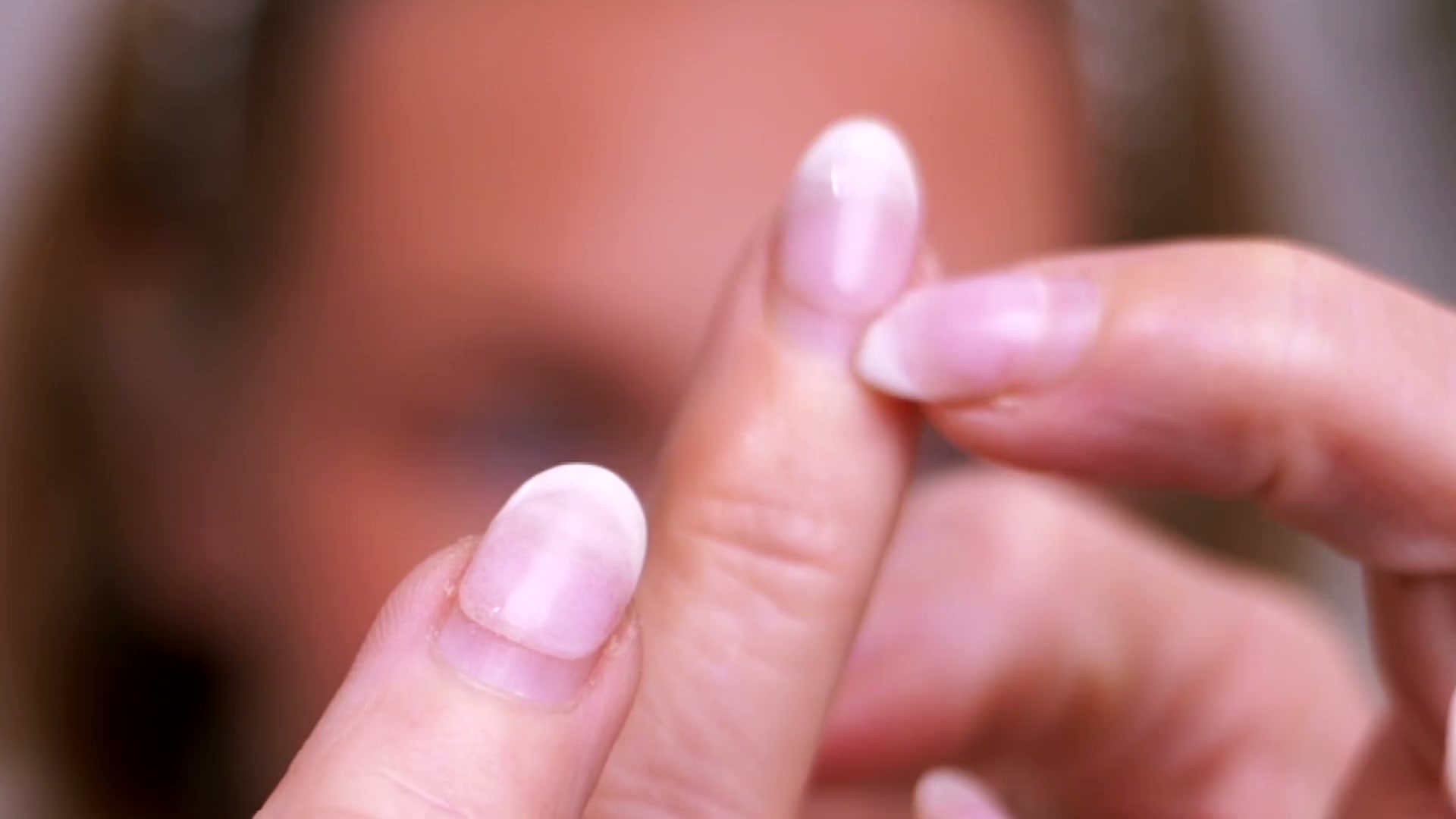
At the update, I showed approximately two weeks of visible nail outgrowth that looked faster than normal for me. Again, I did not measure growth prospectively or control for other influences, so I am recording what I saw without claiming a proven effect.
My Face Looked Fuller to Me
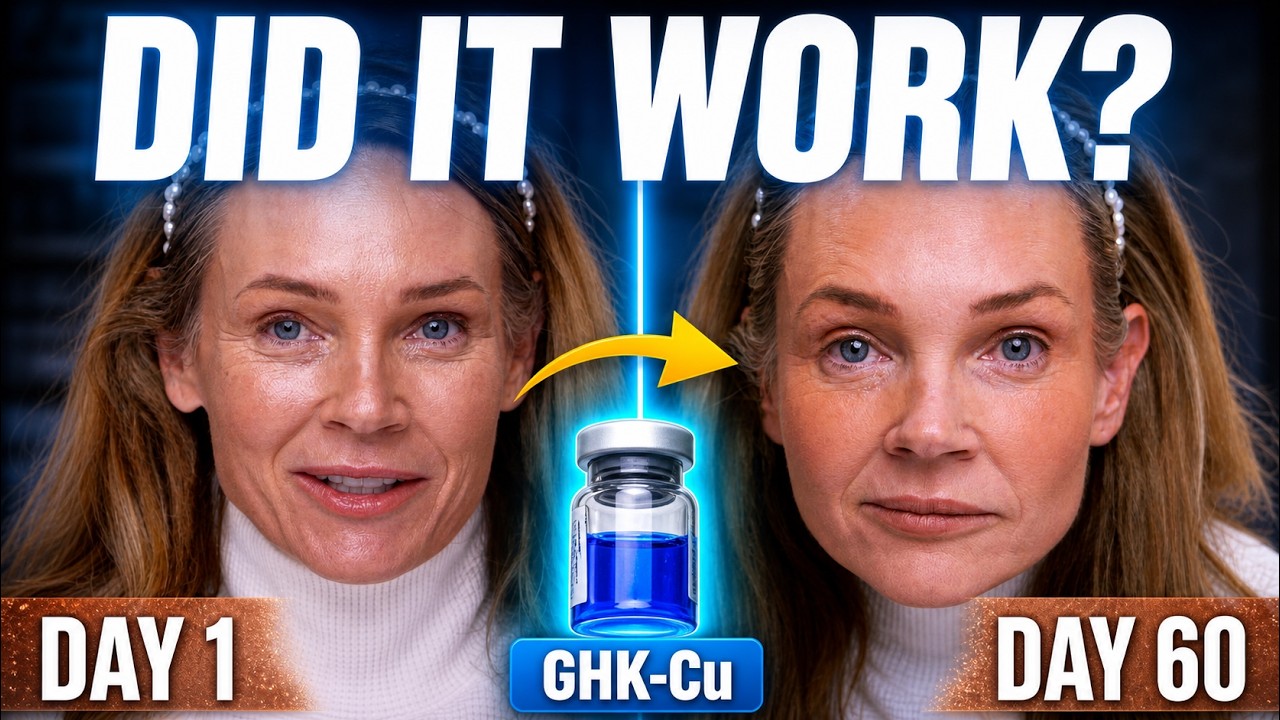
Several viewers asked whether I had added filler because my face looked fuller. I had not. To me, my face looked less angular by the end of the period, but lighting, hydration, camera position, weight changes, other skincare procedures, and ordinary day-to-day variation can all affect a facial comparison. The YouTube thumbnail shows the documented Day 1 and Day 60 frames; it should be read as a visual diary, not clinical evidence.

Topical Copper Peptides Versus Injectable GHK-Cu
I compared a blue topical serum with the injectable product on camera because people often ask whether one is “better.” I do not think the available evidence supports a simple answer.
- A topical cosmetic is applied to the skin and must contend with the skin barrier.
- An injection introduces different and potentially systemic risks.
- Products can differ in identity, concentration, formulation, purity, sterility, and stability.
- Visible blue color does not verify potency, purity, safety, or effectiveness.
Products and Discount Codes
Affiliate disclosure: Natural Kaos may earn a commission from qualifying purchases made through affiliate links, at no additional cost to you. Affiliate links are identified with sponsored link attributes.
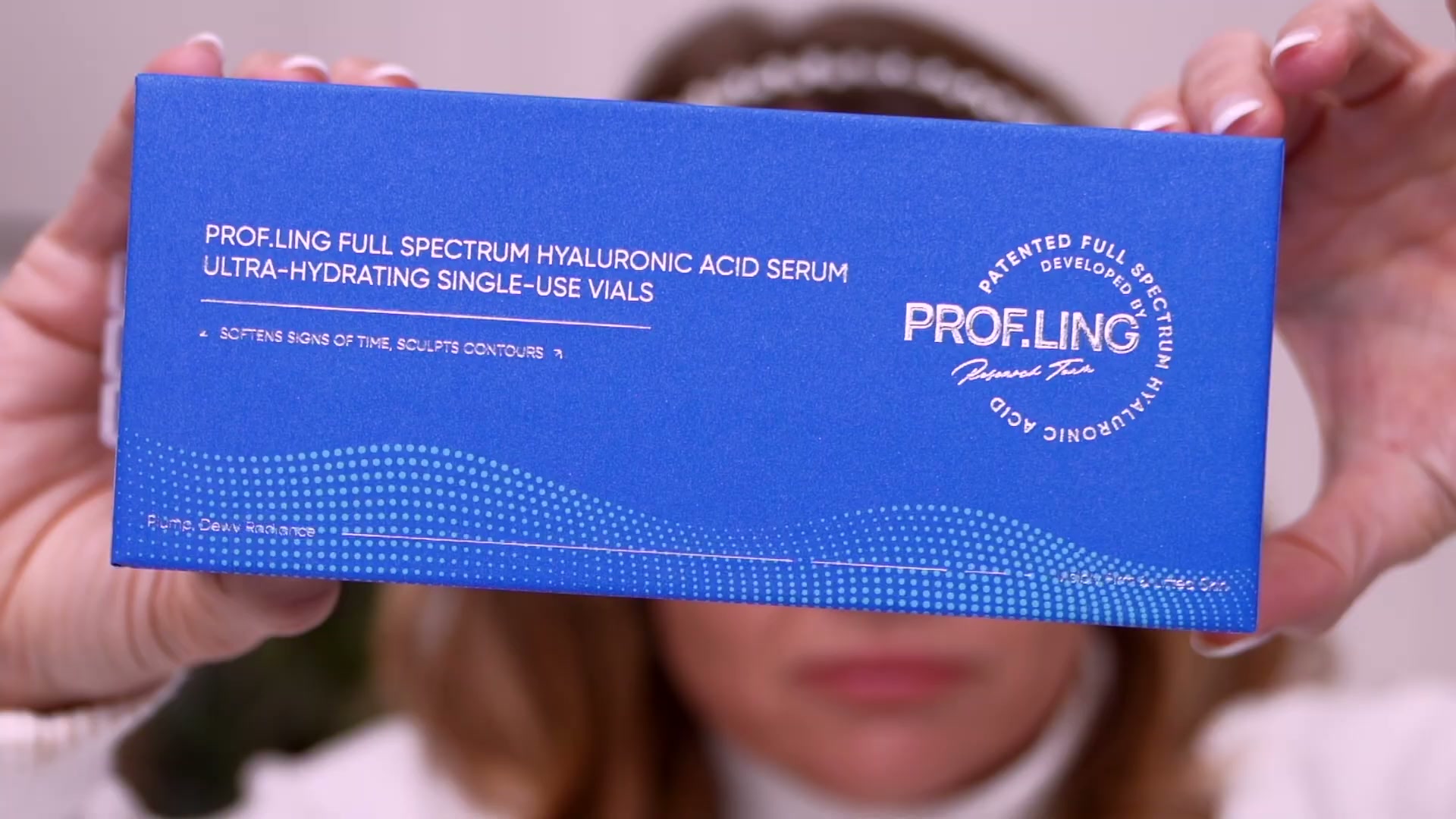
PROF.LING Full Spectrum Hyaluronic Acid Serum
The topical product I showed is PROF.LING Full Spectrum Hyaluronic Acid Serum in single-use vials on Amazon. This is an Amazon affiliate link. The product is topical and should not be treated as equivalent to injectable GHK-Cu.
Wellness Urge Peptides
20% off every order with code NK20: Visit Wellness Urge. This is the same sponsored vendor link and offer used in the Natural Kaos vetted-vendors article. Wellness Urge states that its materials are for qualified laboratory research only, not for human or therapeutic use.
What I Would Change About This Experiment
If I wanted a cleaner personal comparison, I would define the observation period in advance, keep the routine consistent, photograph under the same lighting and camera settings, record missed days, measure hair and nail growth, and avoid changing multiple treatments at the same time. Even then, one person’s diary would not establish safety or effectiveness.
Frequently Asked Questions
What is GHK-Cu?
GHK-Cu is a copper-binding tripeptide. Researchers have studied it in laboratory, animal, topical, and wound-related contexts, but evidence for cosmetic or longevity injections in humans remains limited.
Did injectable GHK-Cu cause Kim’s hair, nail, or facial changes?
The video cannot establish that. Kim observed longer, fuller-feeling hair, faster-looking nail outgrowth, and a fuller-looking face, but the routine was interrupted and other treatments and normal variation could have contributed.
Did Kim experience side effects?
She reported frequent delayed aching at injection sites. She did not repeat the one-sided facial redness seen during an earlier combination-peptide period.
Is injectable GHK-Cu FDA approved for skin, hair growth, recovery, or longevity?
No. FDA has also identified potential significant safety risks for compounded injectable GHK-Cu, including immunogenicity concerns and limited human safety data.
Is a topical copper-peptide serum equivalent to an injection?
No. The routes, formulations, exposure, and risks differ, and available evidence does not justify treating them as equivalent.
Medical Disclaimer
This article reflects personal experience and is provided for general educational purposes only. The schedule recorded above documents what I personally intended to do; it is not medical advice, diagnosis, treatment guidance, a clinically established dosing protocol, or a recommendation to obtain or inject GHK-Cu. Injectable and compounded products can involve serious risks, including contamination, infection, dosing errors, allergic or immune reactions, and harm from impurities or unsuitable ingredients. Compounded drugs are not FDA approved and are not reviewed by FDA for safety, effectiveness, or quality before marketing. Consult an appropriately licensed healthcare professional about your individual health, medications, contraindications, and symptoms. Seek urgent care for signs of a severe allergic reaction or serious infection.
Continue Exploring
See how I approach scalp microneedling and my regenerative hair routine, browse the Natural Kaos video library, or visit the resources hub for more documented skincare and wellness education.
Continue Inside Natural Kaos
Explore complete treatment journeys, weekly Lives, searchable discussions, product sourcing, and the follow-up details that short-form platforms leave out.