
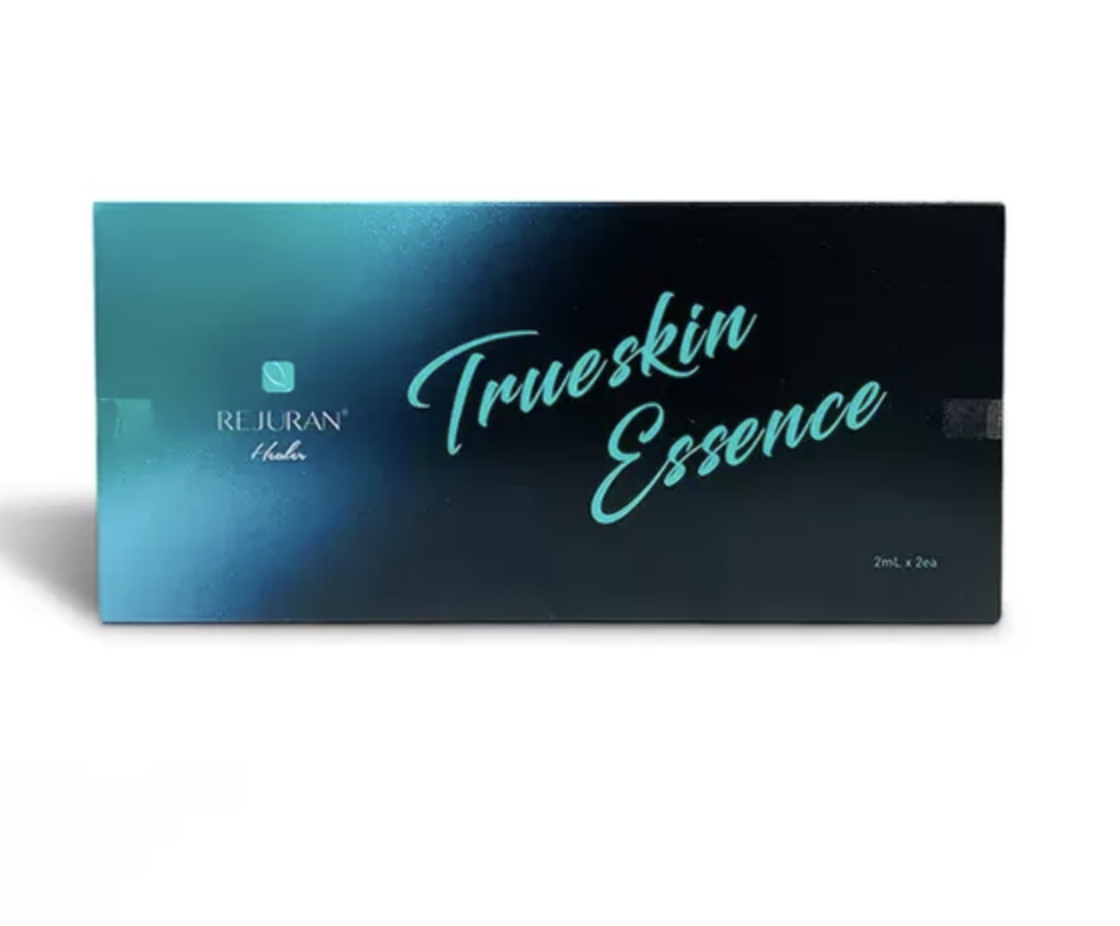
Polynucleotides (PN) have been gaining massive popularity in the world of skin rejuvenation for their ability to repair, hydrate, and restore the skin…
Polynucleotides (PN) have been gaining massive popularity in the world of skin rejuvenation for their ability to repair, hydrate, and restore the skin from within. These DNA-derived molecules work at a deep cellular level to stimulate collagen production, improve elasticity, and promote tissue regeneration. Whether you’re looking to smooth fine lines, improve hydration, or heal damaged skin, PN is an excellent choice for mesotherapy and microneedling.
In this blog, we’ll cover:
Products containing PN available at:
Beautyfromkorea.com Code:KAOS25
Fillerhouse.com Code: KAOS20
Dermics.shop Code: KAOS10
What Polynucleotides (PN) are and how they work
How PN differs from PDRN (Polydeoxyribonucleotide)
Best techniques for application (Mesotherapy vs. Microneedling)
What Are Polynucleotides (PN) & How Do They Work?
PNs are biostimulatory molecules derived from salmon DNA fragments that trigger a regenerative response in the skin. Unlike traditional hyaluronic acid-based skin boosters, PN works on deep tissue repair by:
✅ Stimulating fibroblasts → Boosts collagen & elastin production
✅ Enhancing skin hydration → Restores moisture & strengthens skin barrier
✅ Promoting tissue regeneration → Speeds up wound healing & repairs damaged skin
✅ Reducing inflammation → Ideal for post-procedure recovery & sensitive skin
✅ Protecting against oxidative stress → Improves skin resilience over time
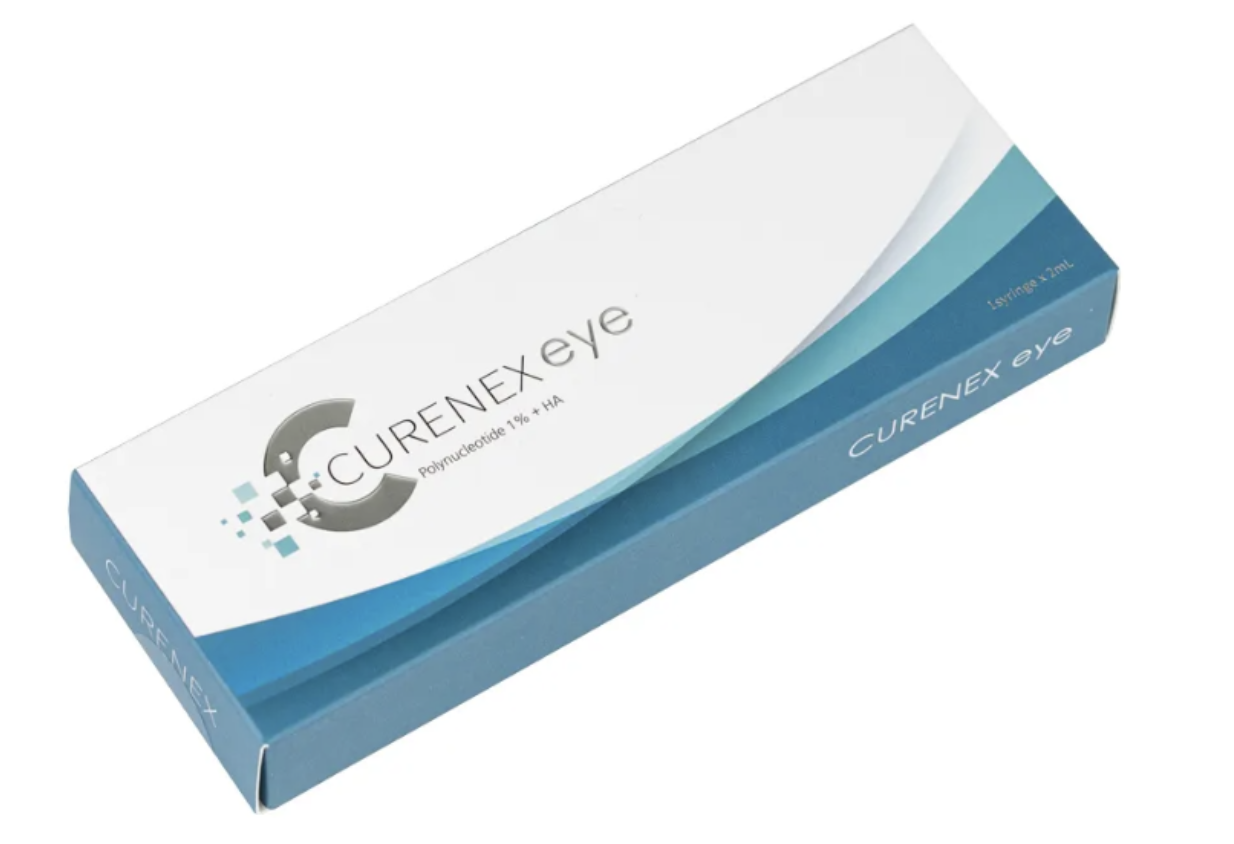
PN
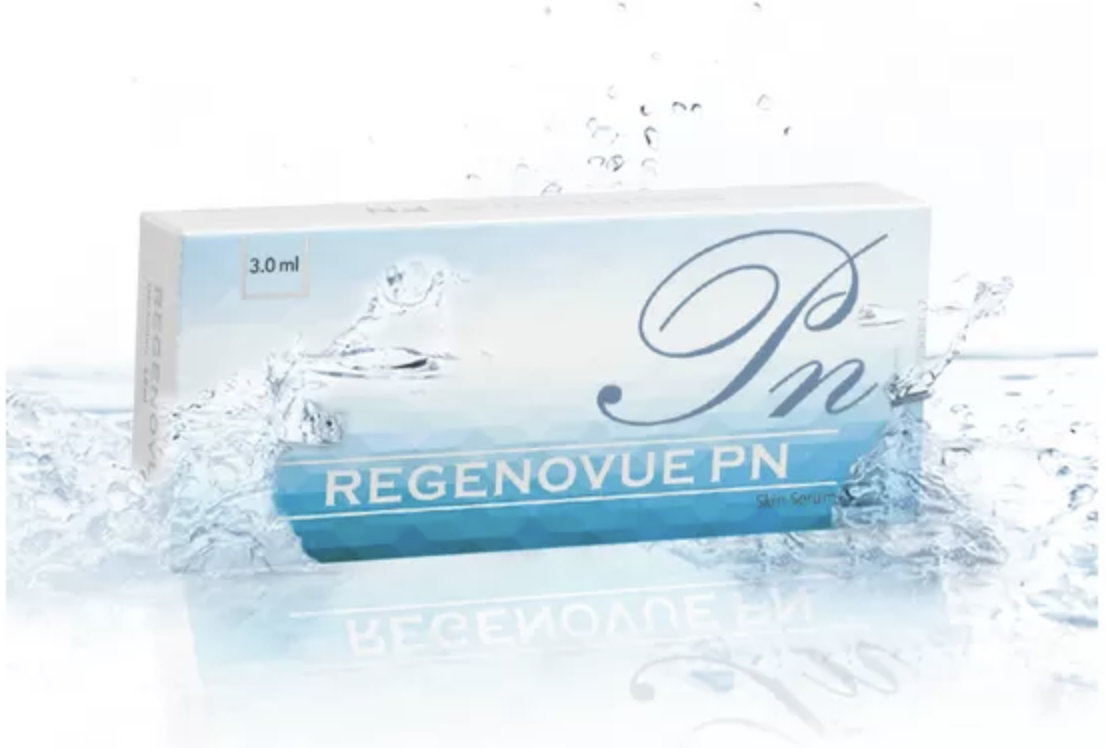
PN
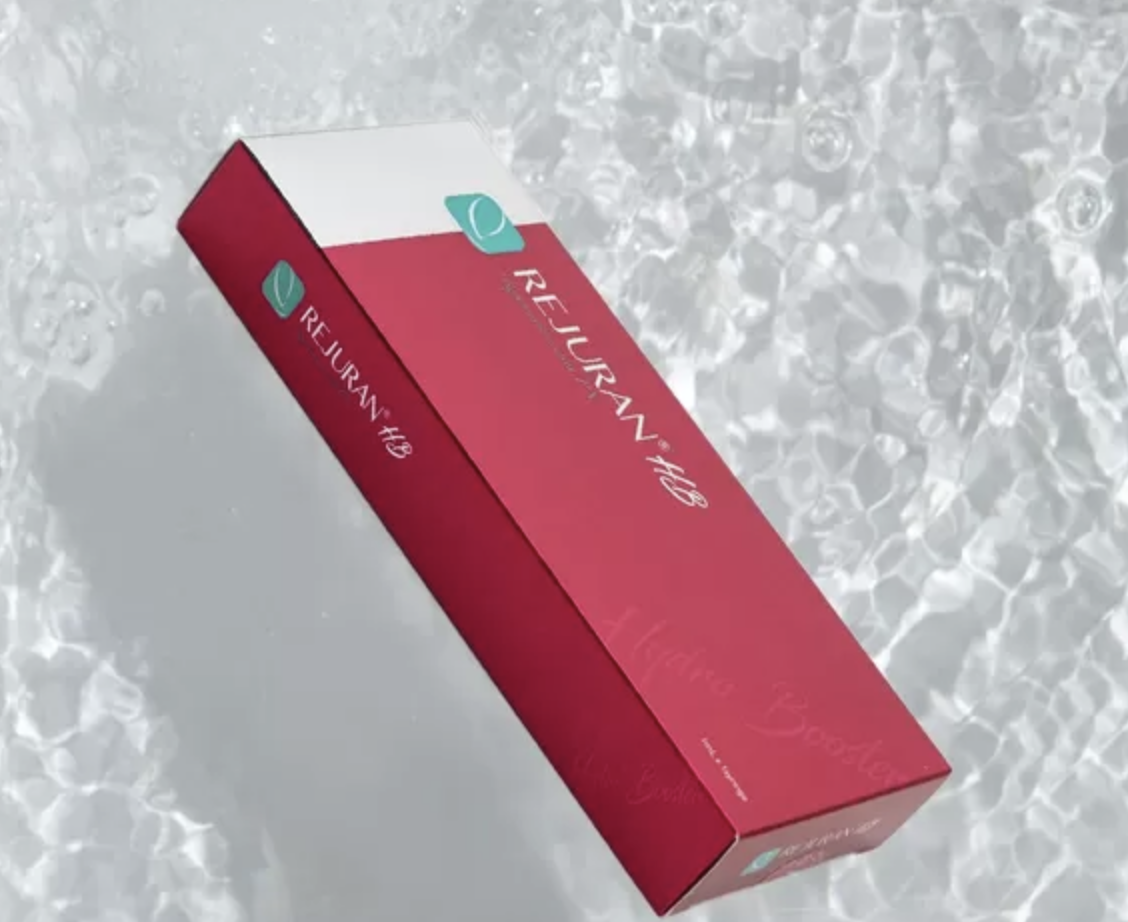
PN
Polynucleotides (PN) work at a cellular level by providing bioactive DNA fragments that signal skin cells to repair, regenerate, and strengthen. These molecules stimulate fibroblasts, the cells responsible for producing collagen and elastin, leading to improved skin elasticity and firmness. PN also binds water molecules, enhancing skin hydration and reinforcing the skin barrier against moisture loss. Their ability to trigger cellular repair mechanisms speeds up wound healing and tissue regeneration, making them highly effective for post-procedure recovery. Additionally, PN has anti-inflammatory properties, calming irritation and redness, while also neutralizing oxidative stress—helping to protect the skin from environmental damage and premature aging. This unique combination makes PN a powerhouse ingredient for long-term skin health and rejuvenation.
PN vs. PDRN – What’s the Difference?
PN (Polynucleotides) and PDRN (Polydeoxyribonucleotide) are often confused because both come from salmon DNA and are used in regenerative medicine. However, there are key differences:
- PN (Polynucleotides) → Larger DNA fragments → Provides more structure & repair, making it better for collagen stimulation, elasticity, and anti-aging.
- PDRN (Polydeoxyribonucleotide) → Smaller DNA fragments → Works primarily as a healing agent, great for inflammation, post-procedure recovery, and hydration.
PN is often recommended for mature, sagging, or damaged skin, while PDRN is ideal for sensitive, inflamed, or post-treatment skin.
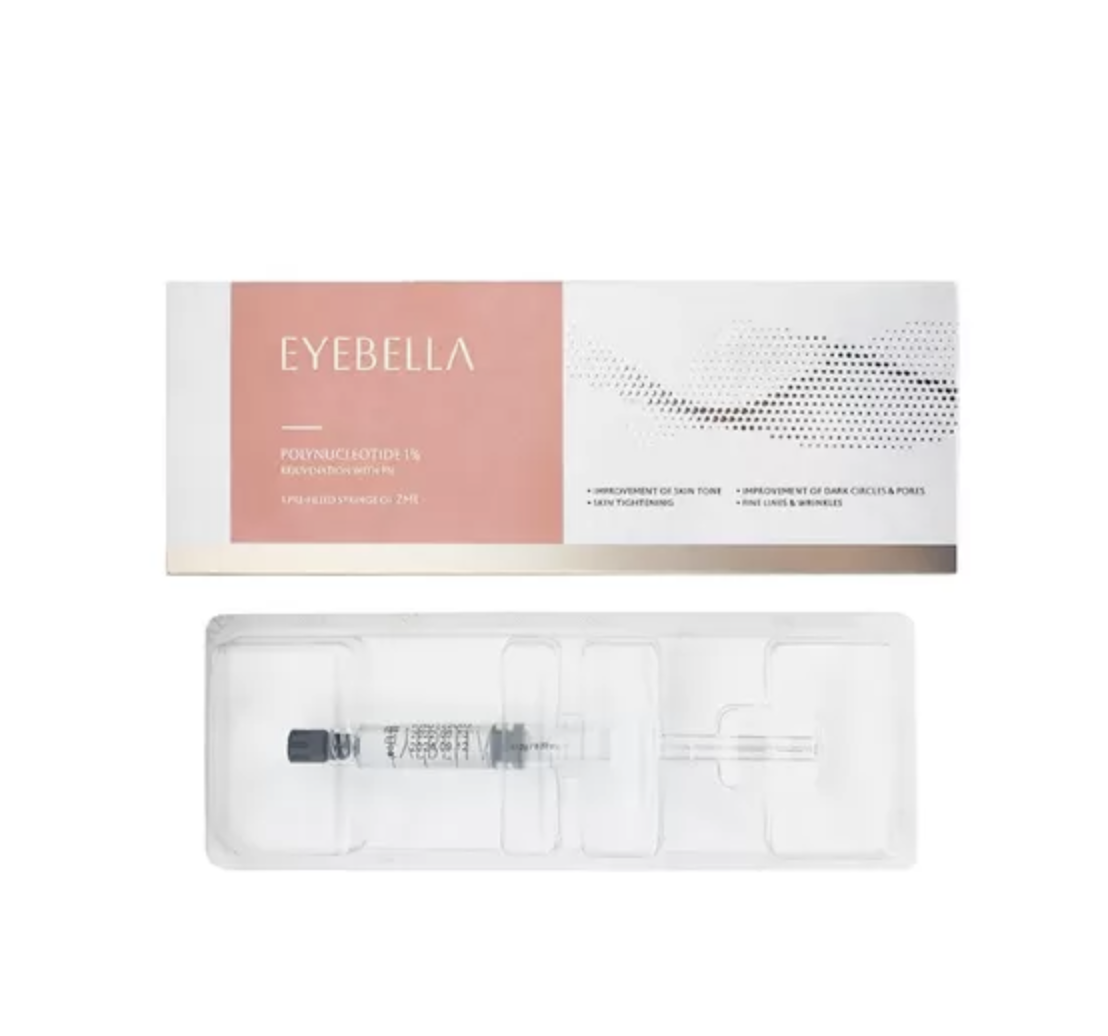
PN
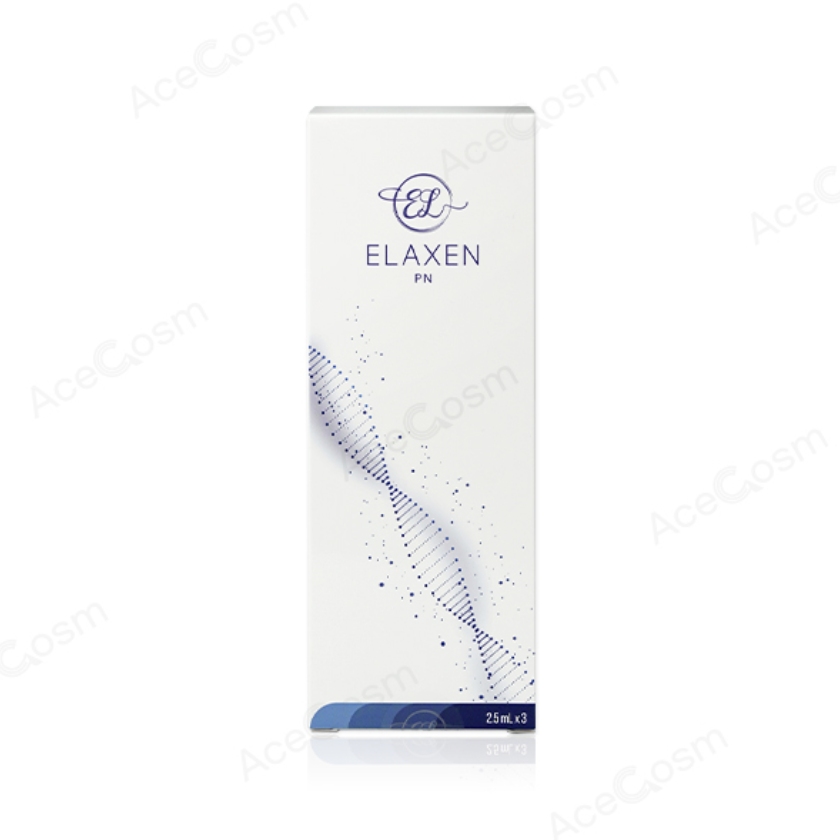
PN
💉 Mesotherapy vs. Microneedling – Which Works Best for PN?
Polynucleotides can be applied in different ways depending on your skin goals and the type of product used.
Mesotherapy (Best for Deep Rejuvenation & Repair)
💉 Mesotherapy involves micro-injections of PN into the mid to deep dermis, where fibroblasts are stimulated for long-lasting tissue regeneration.
✅ Best for: Fine lines, deep hydration, collagen production, acne scars
✅ Injection depth: 2mm – 4mm
✅ Recommended frequency: 3-4 sessions, 4 weeks apart
Microneedling (Best for Surface-Level Hydration & Barrier Repair)
Microneedling creates controlled micro-injuries, allowing PN to penetrate the skin for enhanced absorption. However, since microneedling is superficial, it won’t deliver PN as deeply as mesotherapy.
✅ Best for: Brightening, mild texture improvement, hydration boost
✅ Needle depth: 0.25mm – 1.0mm (depends on the thickness of the skin)
✅ Recommended frequency: 3 sessions, every 3 weeks
Tip: PN is highly effective post-microneedling to reduce inflammation, speed up healing, and boost hydration.
FAQs About PN Polynucleotides
Can PN be combined with other treatments?
Yes! PN pairs well with exosomes, PDRN, microneedling, RF, PRP, and LED therapy for enhanced results.
How long do the results last?
PN stimulates natural collagen, so results continue improving for 3-6 months post-treatment. Maintenance sessions every 3-6 months are recommended.
Can PN be used under the eyes?
Yes! Polynucleotide eye boosters like Lumi Eyes and Rejuran I work wonders for dark circles, fine lines, and hydration. (stay on the orbital bone)
Is PN Worth It?
If you’re looking for a powerful, science-backed skin rejuvenation treatment, PN (Polynucleotides) is an amazing option for collagen stimulation, hydration, and long-term skin repair. Whether applied through mesotherapy or microneedling, consistent treatments yield long-lasting, natural results.
Continue inside Natural Kaos
Explore complete treatment journeys, weekly Lives, searchable discussions, product sourcing, and the follow-up details that short-form platforms leave out.