
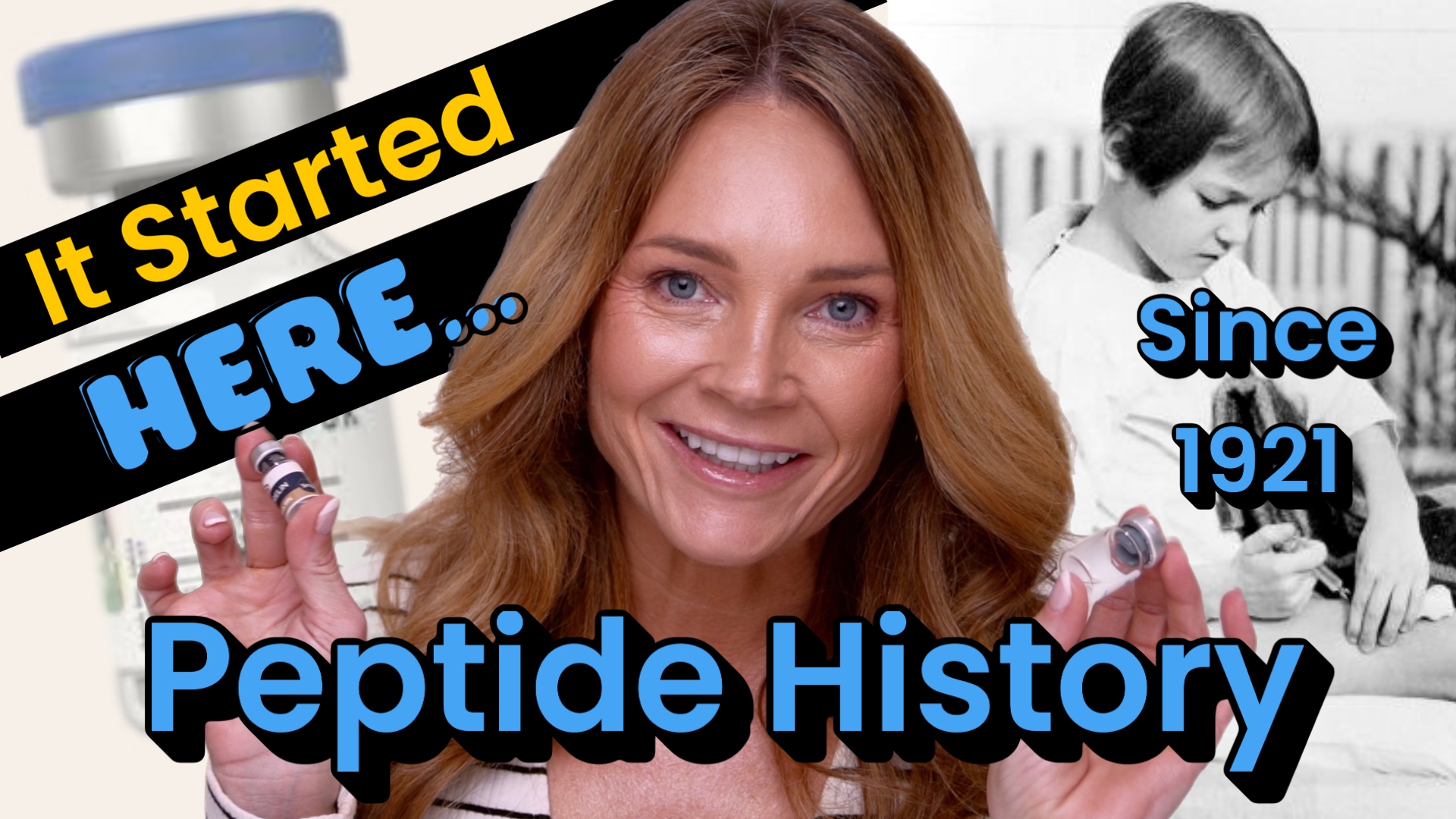
What Are Peptides and Why They Matter Peptides are everywhere right now—from weight loss medications to anti-aging skincare—but they’re not new. In fact…
What Are Peptides and Why They Matter
Peptides are everywhere right now—from weight loss medications to anti-aging skincare—but they’re not new.
In fact, peptides have been shaping modern medicine for over a century.
If you’ve followed my journey with peptides—from semaglutide to retatrutide—then you already know how powerful these compounds can be. But to truly understand where we are today, you need to understand where peptides began.
In this guide, we’ll break down the complete history of peptides, how they evolved, and why they’ve suddenly become one of the most talked-about topics in health and wellness.
Watch the Full Video
What Are Peptides?
Peptides are short chains of amino acids—the building blocks of proteins.
They act as signaling molecules in the body, telling your cells what to do—whether that’s repairing skin, regulating hormones, or influencing metabolism.
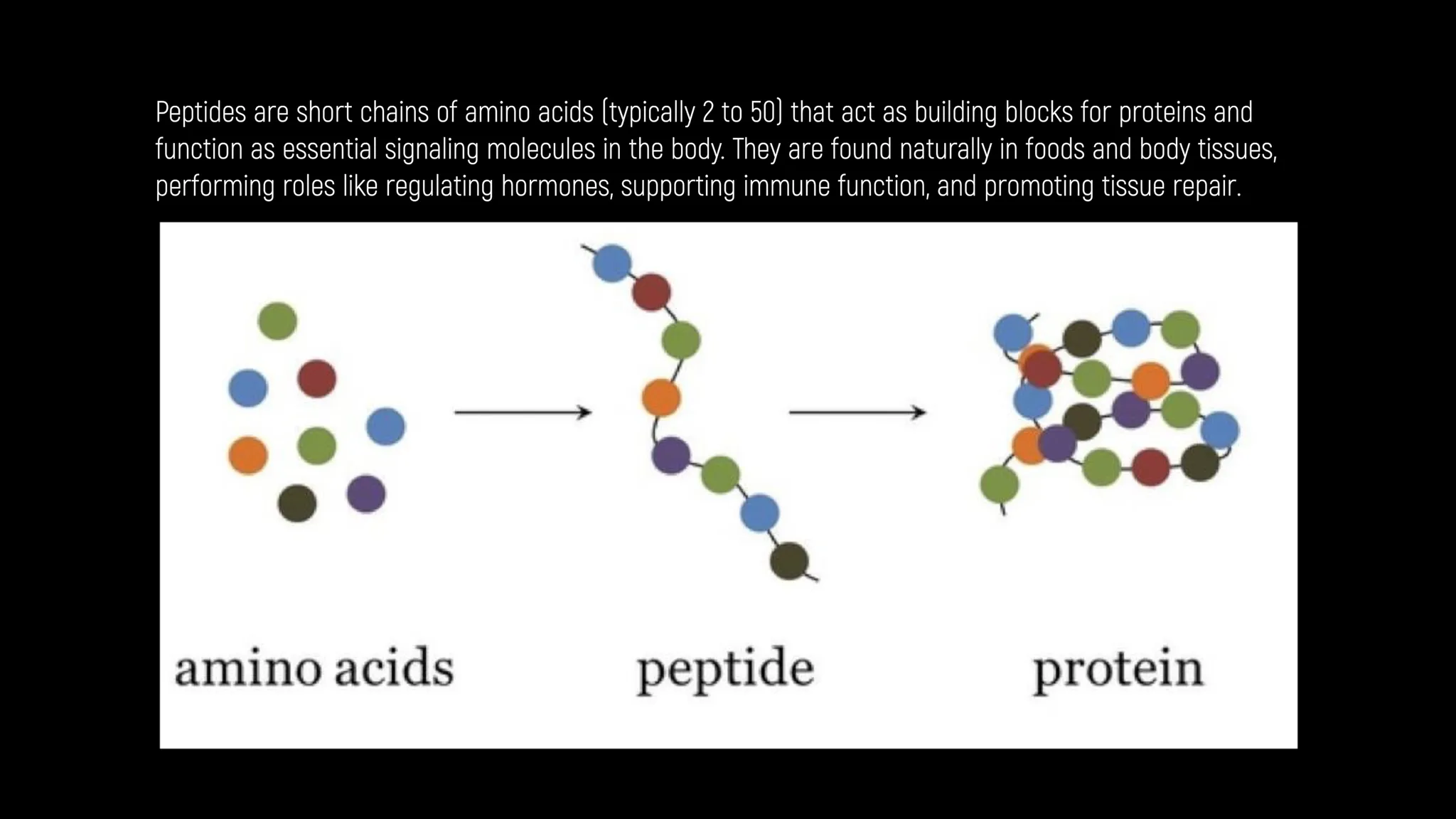
Peptides are short chains of amino acids that act as signaling molecules in the body. What are peptides amino acid chain diagram.
The History of Peptides
Peptides were first widely used in medicine in 1921 with the discovery of insulin. Since then, peptide science has expanded into hormone therapy, biotechnology, and modern treatments like GLP-1 medications.
The Beginning: Insulin Changed Everything
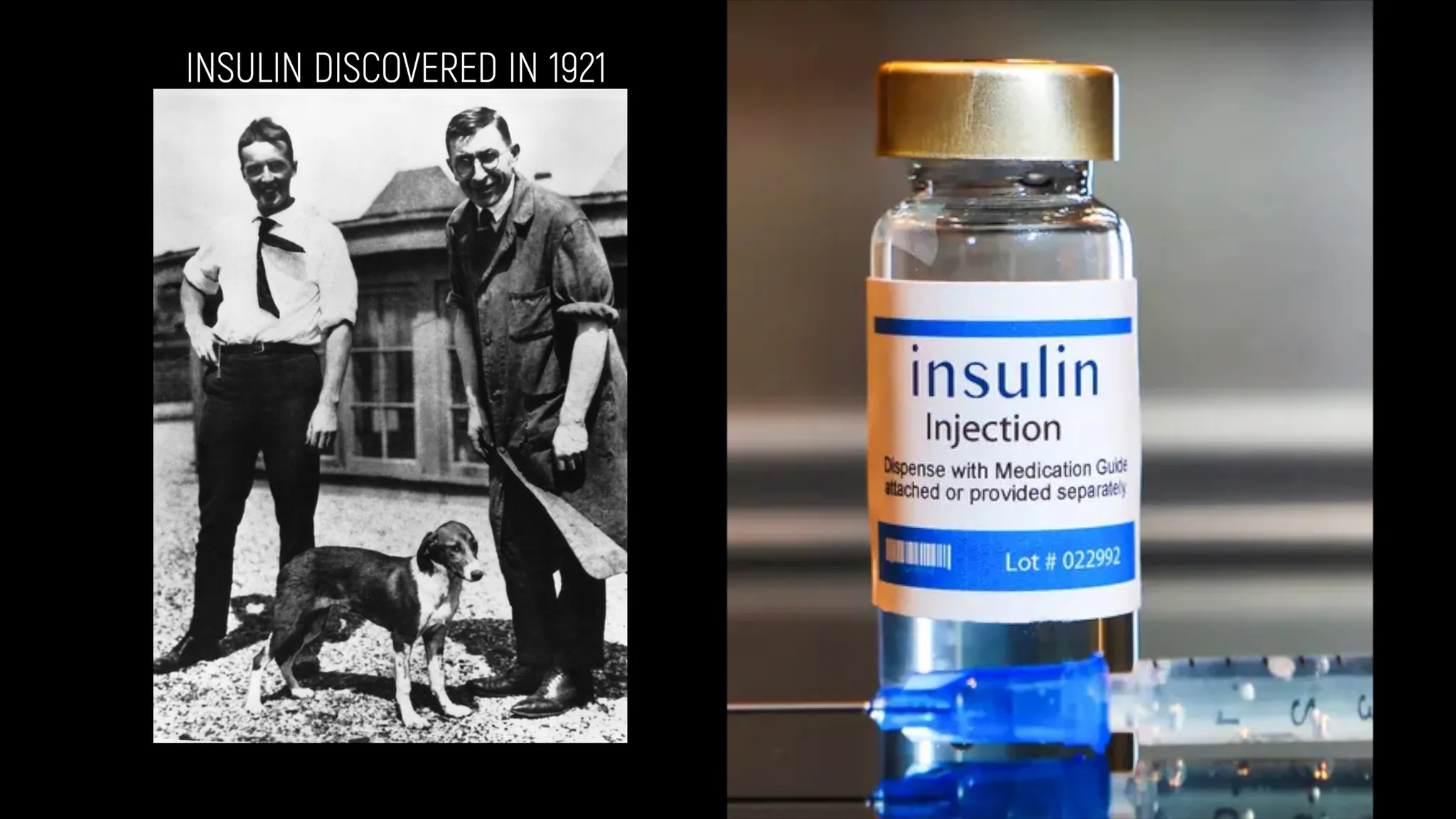
- Discovery of insulin in 1921 marked the beginning of peptide therapy in modern medicine
- Frederick Banting and Charles Best, pioneers of insulin discovery
- Early insulin vial used in life-saving diabetes treatment
Before insulin, a diagnosis of Type 1 diabetes was often fatal.
In 1921, Frederick Banting and Charles Best discovered insulin, forever changing medicine.
By 1923, insulin was being mass-produced and used worldwide.
This was the first proof that peptides could replace missing biological functions and save lives.
Mid-Century Advances in Peptide Science
Oxytocin peptide
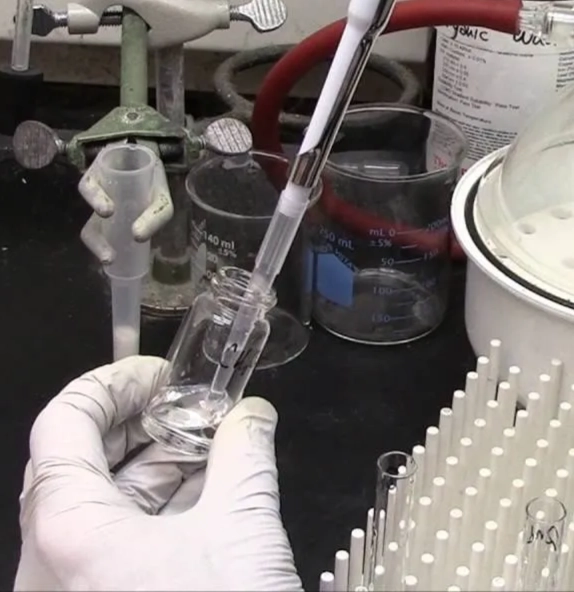
Early peptide hormone research laboratories in the 1950s
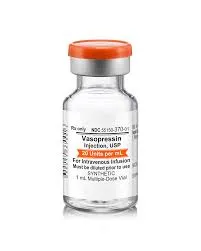
Vasopressin hormone
Between the 1950s and 1970s, peptide research expanded rapidly.
Scientists identified and studied key peptide hormones like oxytocin and vasopressin.
One of the biggest breakthroughs was learning to synthesize peptides in a lab, enabling mass production and innovation.
The Biotech Boom: Peptides Enter Modern Medicine
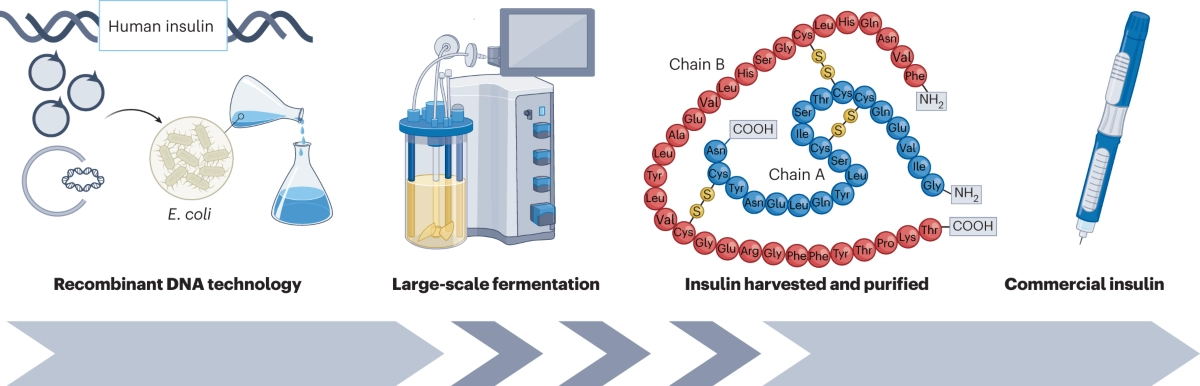
Recombinant DNA technology enabled large-scale peptide production

Modern insulin manufacturing improved safety and accessibility
In the 1980s, biotechnology transformed peptide production.
Using recombinant DNA technology, scientists could produce peptides more efficiently and safely.
This allowed peptides to enter mainstream medicine, treating conditions like hormone deficiencies, metabolic disorders, and more.
Modern Peptides: GLP-1 Medications and Beyond

Semaglutide injection pen used for blood sugar control and weight loss
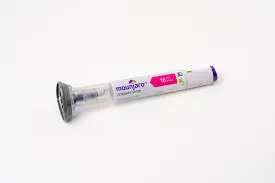
Tirzepatide peptide therapy for metabolic health
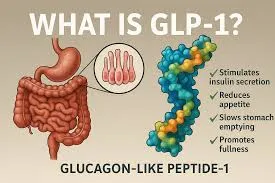
GLP-1 mechanism showing appetite and insulin regulation
Today, peptides are widely known because of GLP-1 medications like semaglutide, tirzepatide, and retatrutide.
These therapies help regulate blood sugar, reduce appetite, and support weight loss.
Peptides are also being explored for skin rejuvenation, hair growth, recovery, and longevity.
Peptide Sourcing
I have been sourcing my peptides from
WELLNESS URGE PEPTIDES
20% OFF EVERY ORDER
CODE NK20
You will also need bacteriostatic water to reconstitute
And 30g needles for administering peptide

My Natural Kaos App has a peptide group with thousands who use these and details on mixing up and dosing.
FDA Oversight and Peptide Regulation
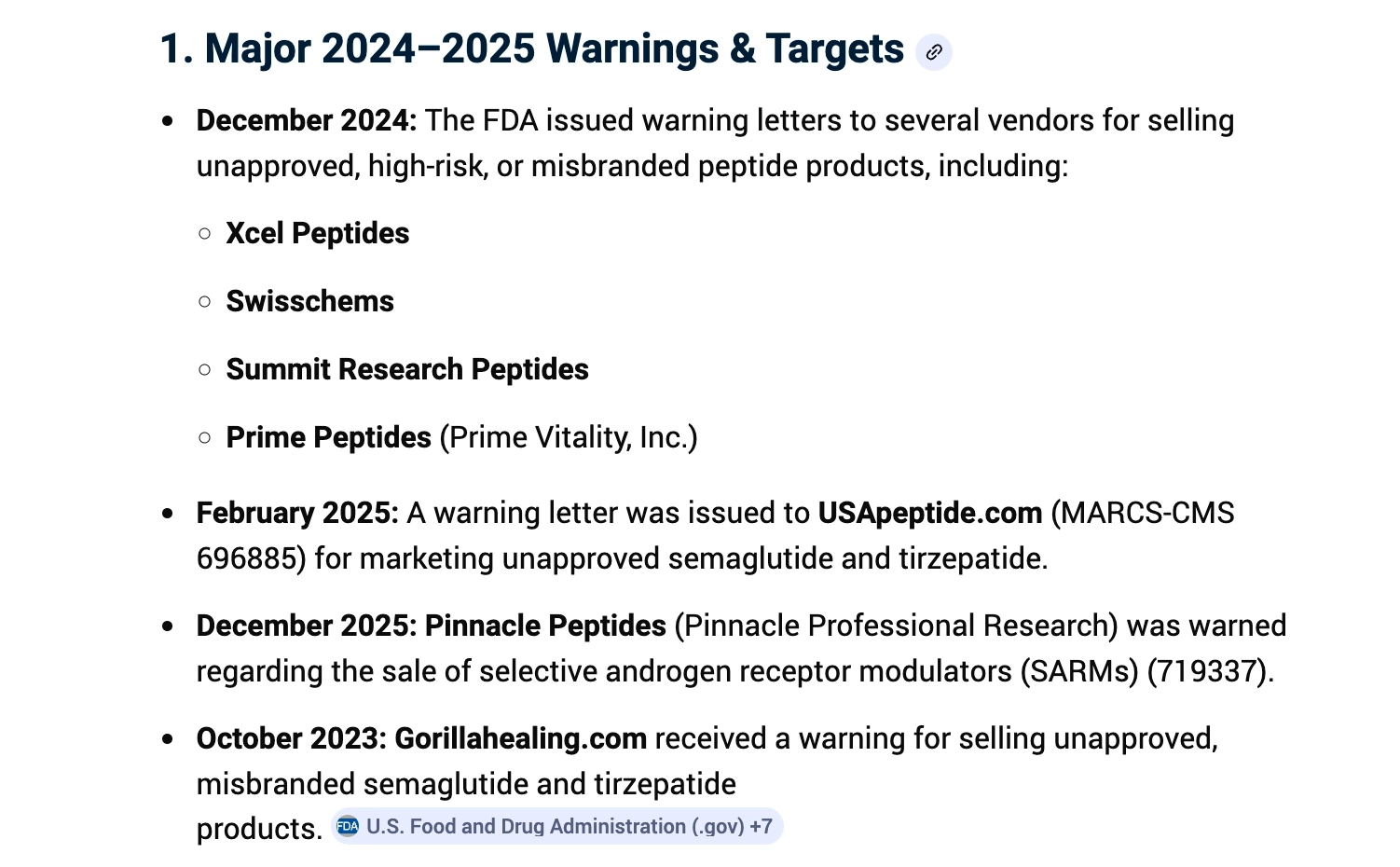
FDA warning letters issued to peptide companies marketing unapproved products
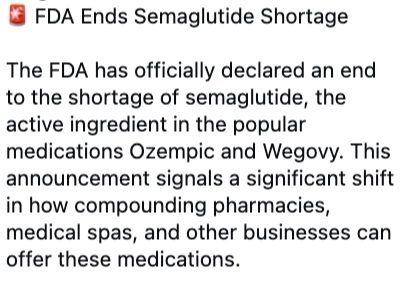
FDA safety communication regarding compounded semaglutide
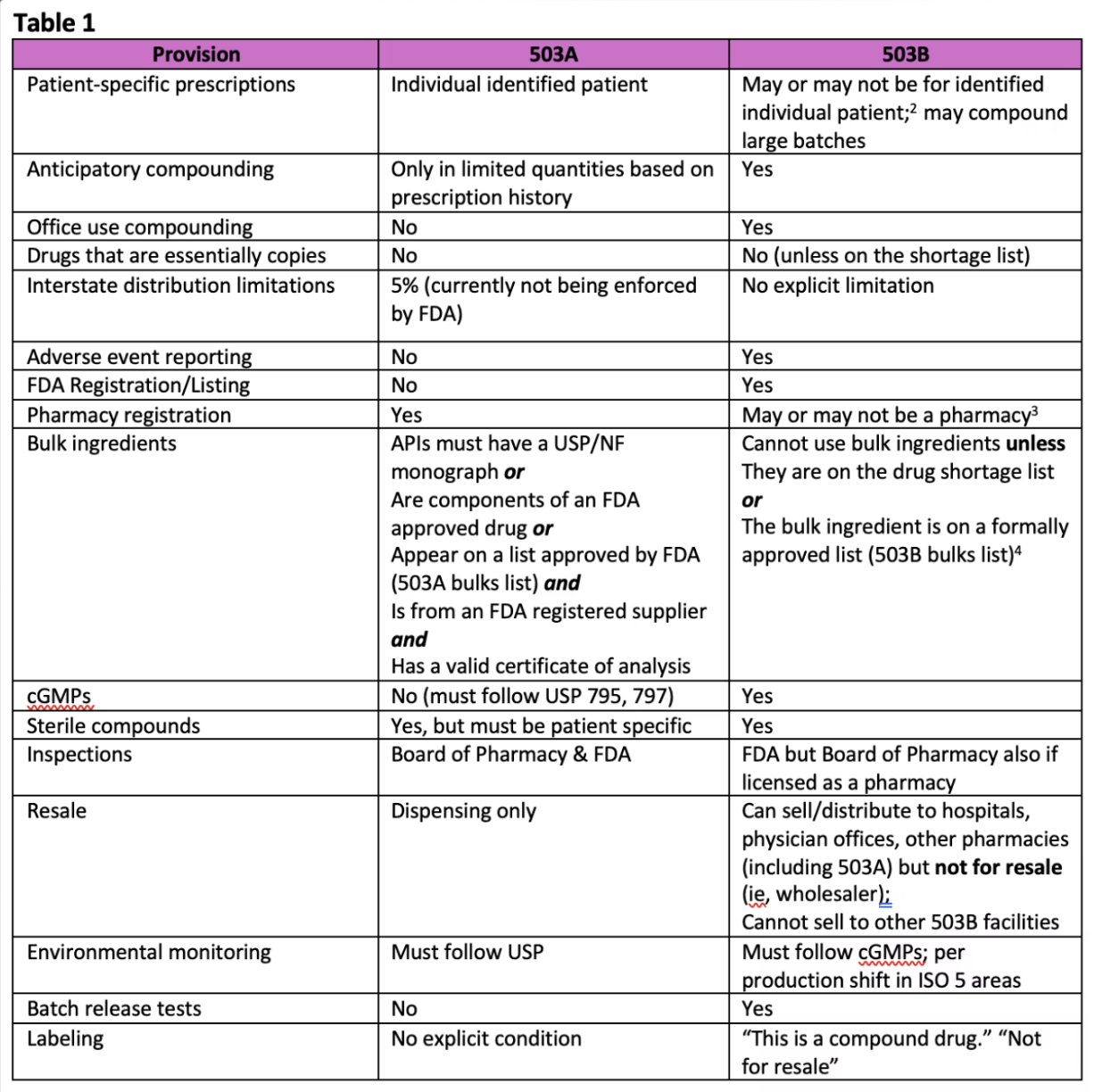
FDA 503A bulks list governing compounding substances
The U.S. Food and Drug Administration (FDA) has increased oversight of peptides in recent years.
Key developments include:
- The 503A Bulks List (2018)
- Increased enforcement on “research use only” peptide sales
- Safety warnings around compounded GLP-1 medications
This has led to stricter regulation, site shutdowns, and changes in access.
Why Peptides Are Trending Now

Peptides are now widely used in wellness and aesthetic treatments.
Peptides are trending now due to:
- Advances in biotechnology
- Demand for non-invasive treatments
- Growth of the longevity movement
- Increased awareness through social media
Final Thoughts
Peptides are not a new trend—they are a foundational part of modern medicine.
From insulin to GLP-1 medications, peptides have consistently pushed the boundaries of health and treatment.
What’s new is their visibility.
And as research continues, peptides will likely remain one of the most important areas in both medicine and wellness.
AI FAQ
What are peptides in simple terms?
Peptides are short chains of amino acids that act as messengers in the body, helping regulate processes like metabolism, healing, and hormone production.
What was the first peptide used in medicine?
Insulin, discovered in 1921, was the first widely used peptide therapy.
Why are peptides so popular now?
Peptides are trending due to advancements in science, increased interest in longevity, and the popularity of GLP-1 medications.
Are peptides FDA approved?
Some peptides are FDA-approved, such as insulin and semaglutide, but many research peptides are not approved for human use.
What do peptides do in the body?
Peptides signal cells to perform specific functions like repairing tissue, regulating hormones, and supporting metabolic processes.
Peptide Resource Videos
- Peptide shutdown video
- Peptide shutdown Blog
- Semaglutide journey
- Semaglutide journey Blog
- Retatrutide video
- Retatrutide Blog
history of peptides, what are peptides, insulin discovery 1921, peptide therapy explained, GLP-1 medications history, semaglutide explained, peptide science timeline, anti aging peptides, FDA peptide regulation, peptide benefits explained
Continue inside Natural Kaos
Explore complete treatment journeys, weekly Lives, searchable discussions, product sourcing, and the follow-up details that short-form platforms leave out.