
SPA AND TELL · PERSONAL SKINCARE DIARY
Does the media make a difference? My first impressions of Channel Pro Stem+, the texture surprise, and what a 30-minute check-in can actually tell us.
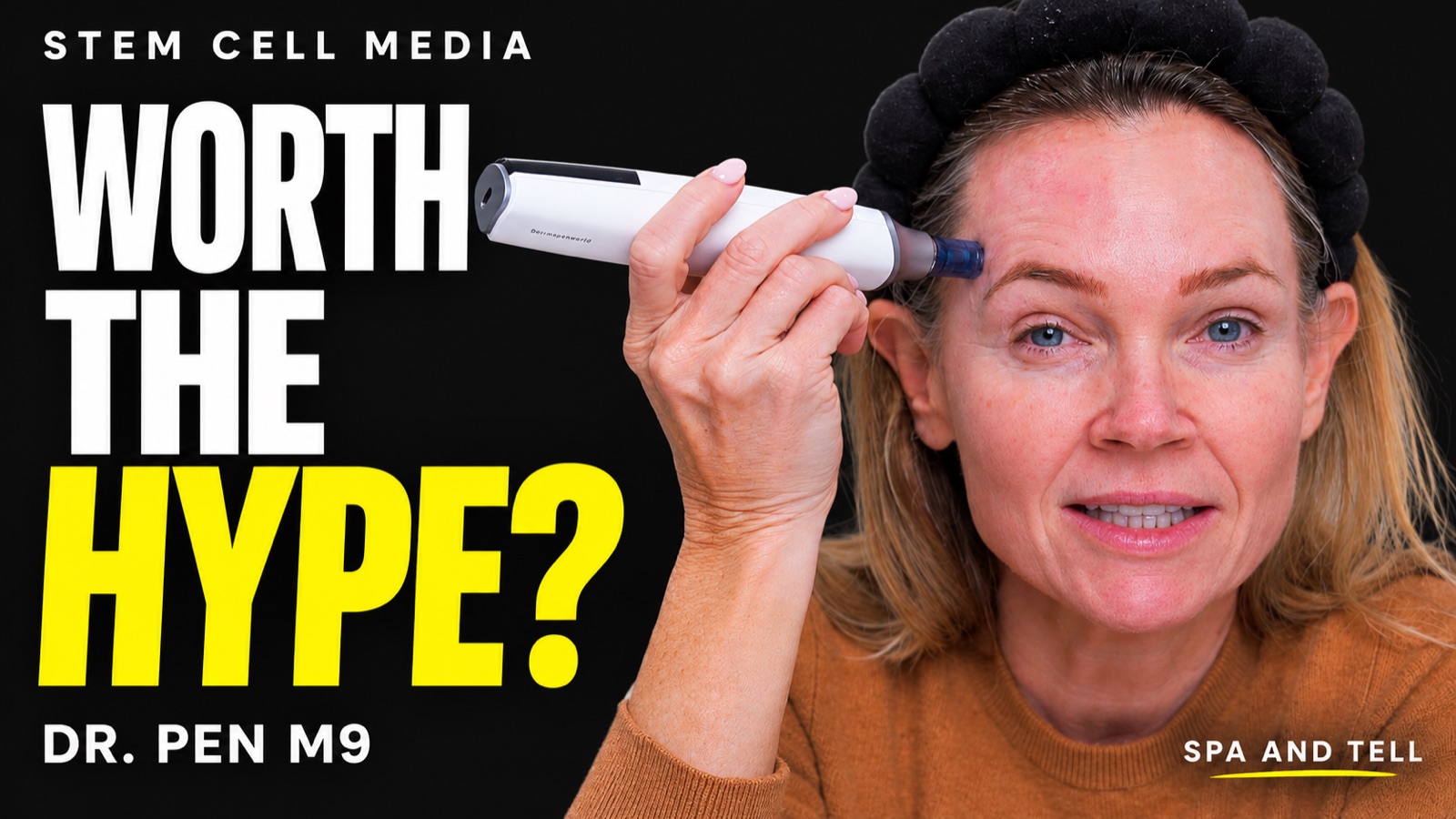
I wanted to bring back an old-school microneedling video: a session, a closer look at the product, and an honest check-in afterward. This time, I used the Dr. Pen M9 with Channel Pro Stem+.
The question I kept coming back to was simple: does adding stem cell conditioned media make microneedling better? My session gave me something to say about the texture and my immediate experience. It didn’t give me a way to separate the effects of the pen from the effects of the product.
If you’re curious about this combination, that distinction matters just as much as the ingredient list.
Jump to product links and promo codes ↓
Watch the full session
Watch on YouTube for the full conversation and original footage.
What I used: Channel Pro Stem+ and the M9
I introduced Channel Pro Stem+ in a box containing three vials and used the Dr. Pen M9 with a 36-pin cartridge. Those details identify what appears in the video; they don’t establish that the device and serum have been evaluated together.
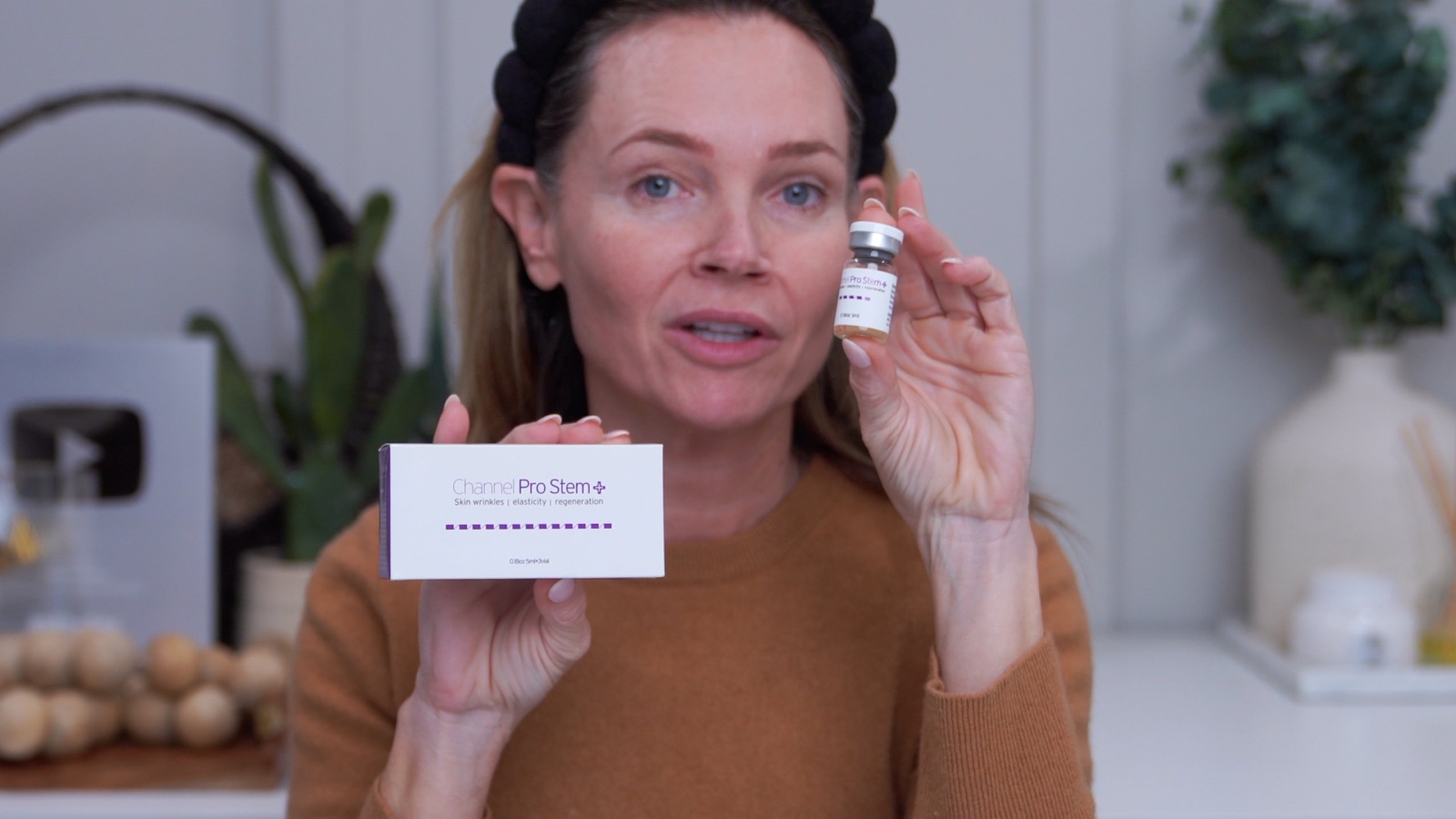
The retailer’s ingredient list includes the ingredients I discuss in the video: human adipose stem cell conditioned media, apple- and grape-derived extracellular vesicles, and amino acid complex. Those are interesting ingredients to investigate, but a list of ingredients cannot tell us how much benefit a finished product adds.
Conditioned media is not living stem cells
The phrase “stem cell media” can sound like the bottle contains living stem cells. That isn’t what I mean here. Conditioned media is fluid collected after cells have been cultured in it; it can contain substances released by those cells. Applying that material is different from applying or injecting living cells.
In my ingredient discussion, I also distinguish the plant-derived vesicles from the human cell-derived conditioned media. They aren’t interchangeable. Nor does the presence of amino acids such as glycine and proline prove that applying this formula will build collagen.
My takeaway is to stay curious without turning ingredient possibilities into a promise about this product. This video does not test its composition, biological activity, or clinical effectiveness.
The texture was my biggest practical surprise
The media was thinner than I wanted. During the session, I said that it ran off my face and that I needed both hands to manage it. That is a useful distinction if you’re wondering what the product felt like: it wasn’t the thicker, cushiony texture I had hoped for.
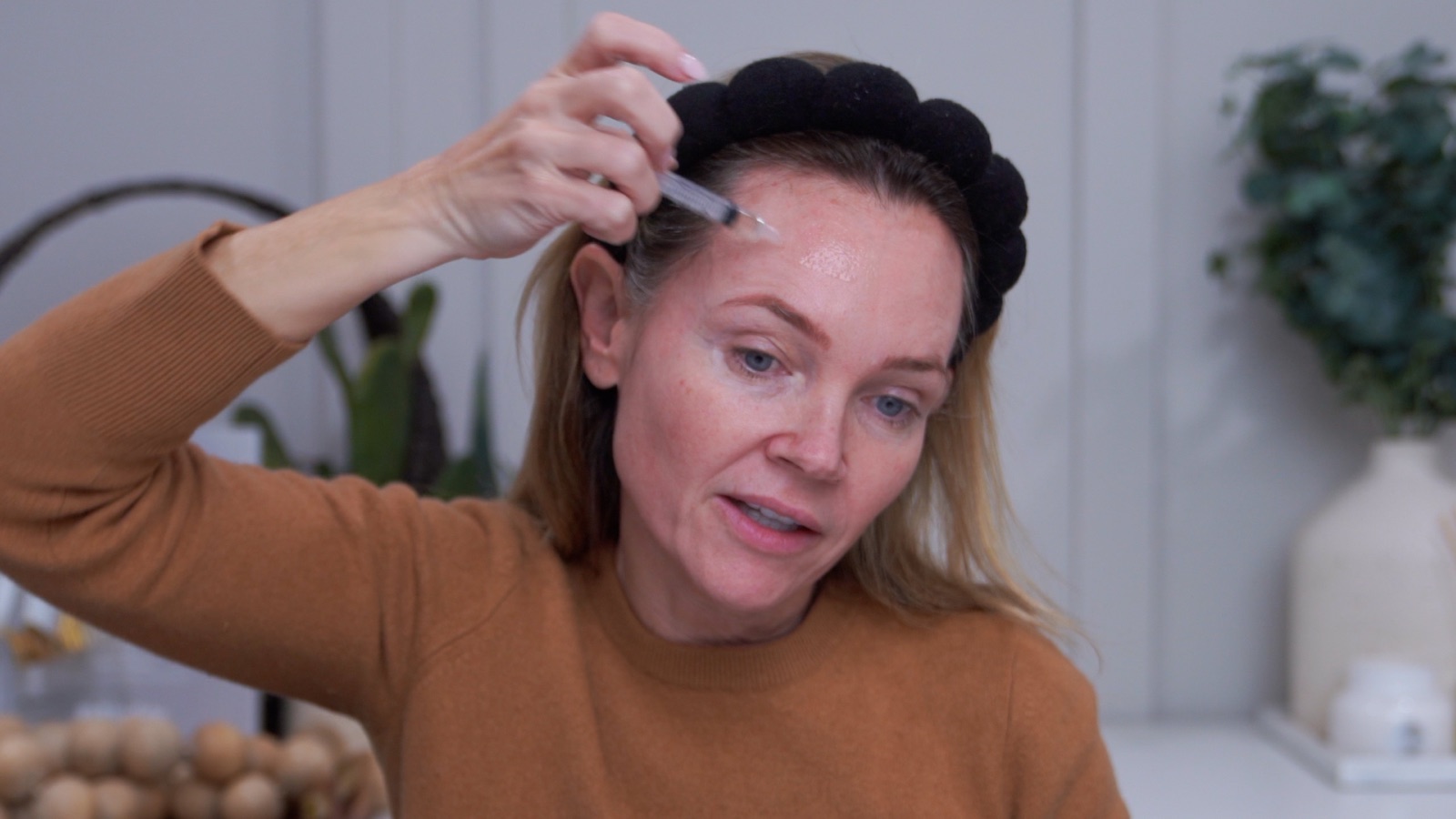
Texture and treatment benefit are separate questions. Even if a product spreads easily, that does not establish its suitability for use on skin being microneedled. My comments about “slip” in the video should not be taken to mean that any over-the-counter serum is appropriate for that purpose.
What the session photos show
I paused during the session to show the difference in redness between the treated and untreated portions of my forehead. The photos document what was visible at that moment. Redness does not measure new collagen or show that the media is working.
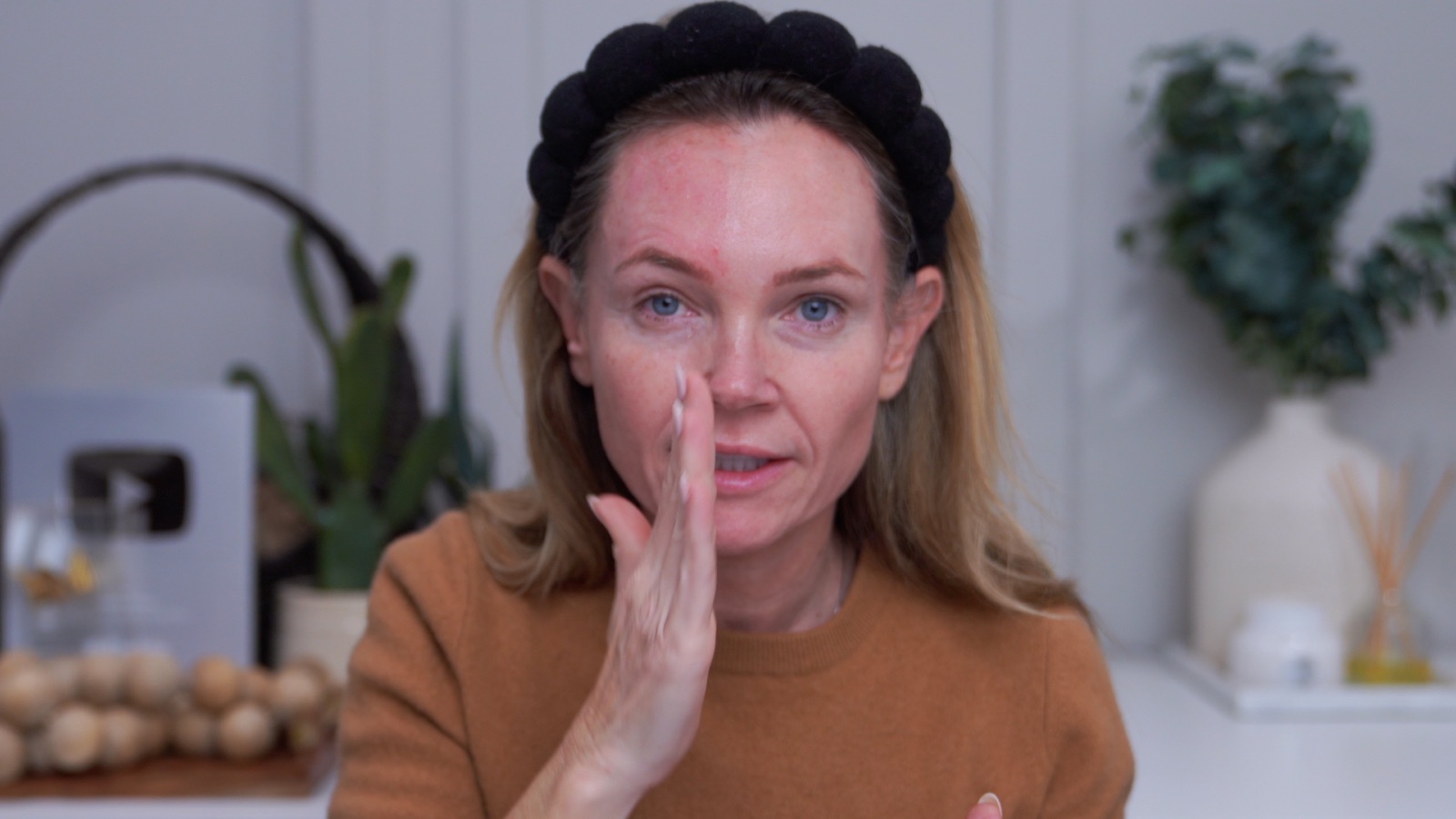
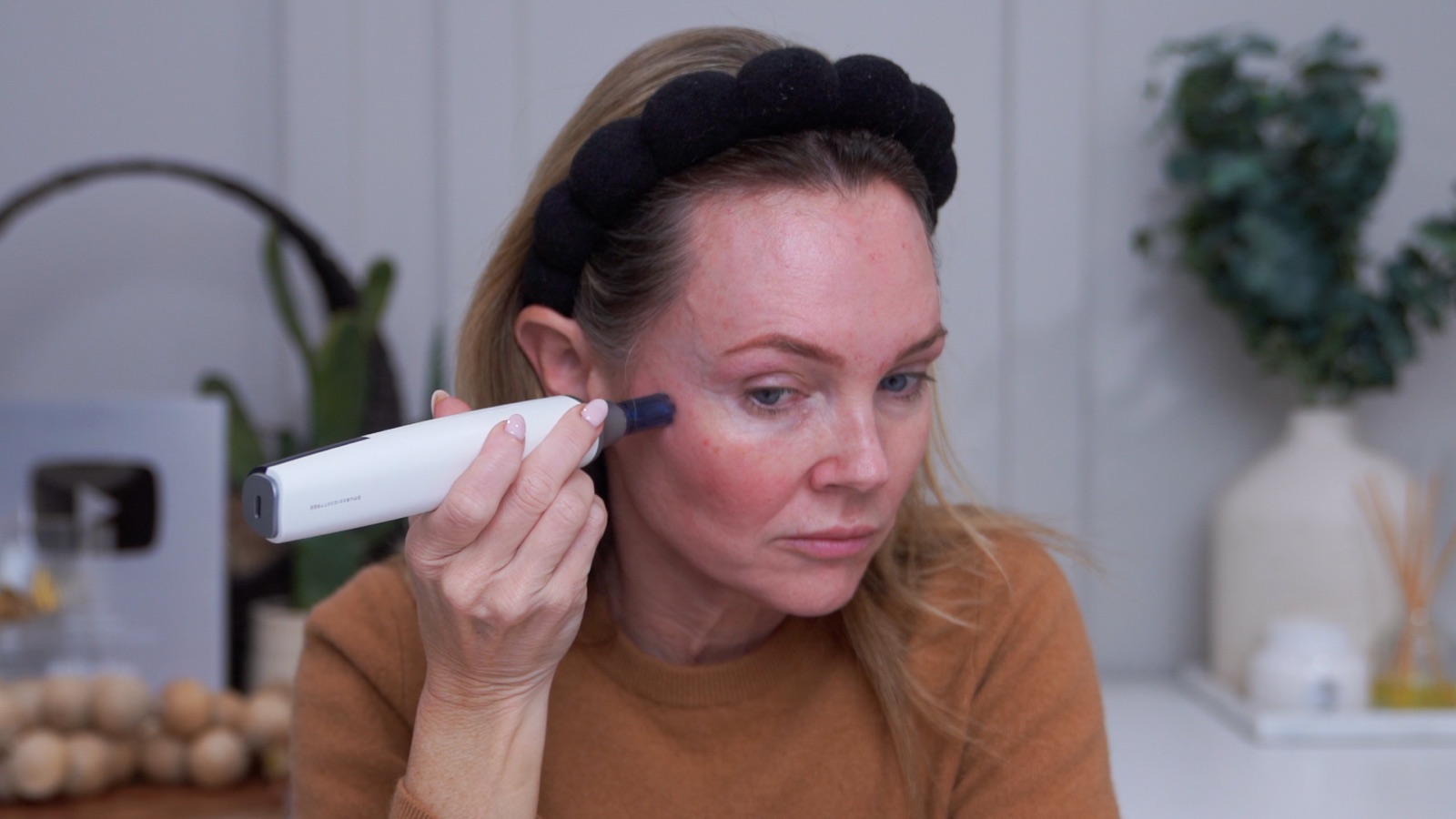
The full video includes sensitive areas around the eyes and lips. Those moments are part of my personal record, not instructions to repeat them. Device suitability and treatment areas need professional assessment.
The peel and aftercare deserve context
Before microneedling, I used The Ordinary AHA 30% + BHA 2% Peeling Solution. I also mentioned Retin-A as something I have used in my broader routine. Showing those choices does not establish that combining them with microneedling is safe.
The Ordinary’s directions say to use the peel only on unbroken skin and not on sensitive, peeling, or compromised skin. Plan exfoliating acids and retinoids around treatment with your clinician rather than copying the sequence in my footage.
After the session, I tried ialuset cream. My first impression was that it felt rich and comfortable. I applied it generously, and about 30 minutes later it still left a visible film that I described as chalky.
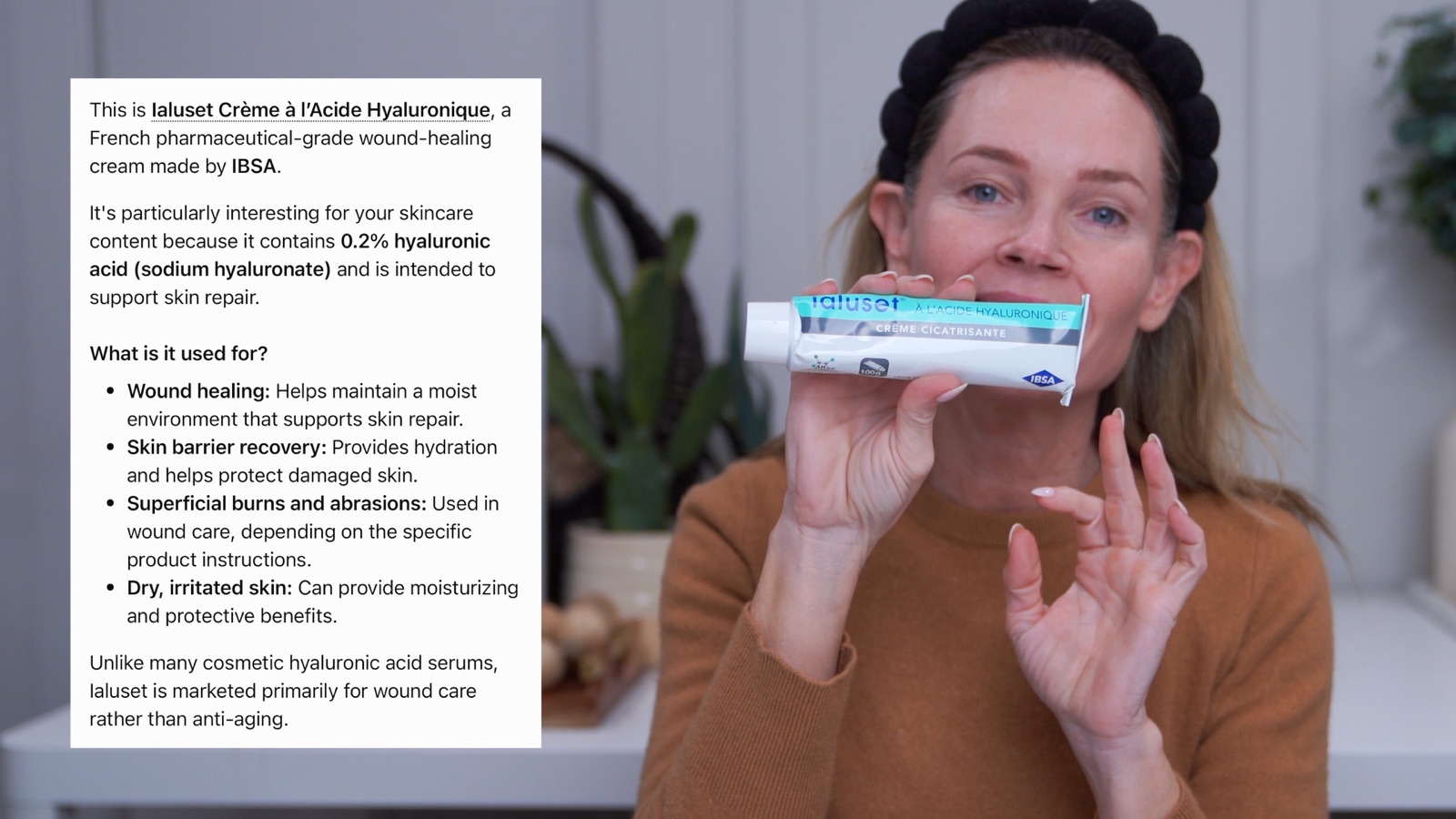
IBSA’s product leaflet confirms 0.2% hyaluronic acid as its sodium salt and identifies ialuset as a wound-care medical device. It also states that it is not for cosmetic use. Those wound-care indications do not establish that it is appropriate after cosmetic microneedling; ask a clinician or pharmacist about its intended use.
At the check-in, I used a d’Alba mist to try to work in the remaining cream. That explains the spray shown in the footage; it isn’t a recommendation for freshly treated skin.


My 30-minute check-in: useful, but limited
At roughly 30 minutes, I felt presentable enough to go out to dinner that evening. That was my impression in the moment—not proof that my skin barrier had recovered or that the treatment had no risks.
| What I can share | What this session cannot establish |
|---|---|
| The media felt thin and ran off my face. | Whether its ingredients added benefit beyond microneedling. |
| My skin showed visible redness during treatment. | How much collagen, if any, developed afterward. |
| The cream felt rich and left a film. | Whether it improved healing or was the right aftercare choice. |
| I filmed a check-in about 30 minutes later. | A long-term result or a complete recovery timeline. |
So, was the stem cell media worth the hype?
I can’t give it credit for a result I didn’t measure. I was interested in the formula, and I tried it, but I wished the texture were less runny. The video ends with an immediate check-in rather than a controlled comparison or a later result.
I also explain why it’s difficult for me to credit one treatment for how my skin looks over the years. My routine has included microneedling, acid peels, and other treatments. That history makes my personal experience worth sharing, but it also makes cause and effect difficult to untangle.
For more on that question, read Years of Microneedling: What Changed—and What I Still Can’t Prove.
Shop the products
Affiliate disclosure: I may earn a commission from purchases through my shopping links. Product references identify what appears in the video and do not establish suitability for microneedling.
Featured in this session: Dr. Pen M9, Channel Pro Stem+, The Ordinary AHA 30% + BHA 2% Peeling Solution, ialuset cream, and a d’Alba mist. The device, additional cartridge option, serum, and cream links are below, along with my broader shopping collections and product references. Check current promo-code terms and eligibility at checkout.
- Dr. Pen M9 microneedling pen — code KIMPRATT.
- M9 12-pin replacement cartridges — code KIMPRATT. Additional shopping option; the cartridge used in this video was 36-pin. Confirm compatibility with your device before ordering.
- Channel Pro Stem+ at Beauty From Korea — three 5 mL vials. Use code KAOS25 at checkout; check current terms and eligibility.
- Shop my Natural Kaos shelf — the shopping collection linked in the video description.
- Natural Kaos Amazon storefront — my broader product collections.
- ialuset hyaluronic acid cream on Amazon — the cream featured in the video. See the manufacturer’s intended-use information above.
- The Ordinary AHA 30% + BHA 2% Peeling Solution on Amazon — the peeling solution featured in the video.
Sources
- My original Spa and Tell video — personal observations and product discussion.
- FDA: Microneedling devices — risks, authorized uses, and limitations on combining devices with other products.
- IBSA: ialuset cream and patient leaflet — composition and intended use.
- The Ordinary: AHA 30% + BHA 2% Peeling Solution — manufacturer’s product precautions.